Date and Time: January 28, 2026 | 12:00 pm - 1:00 pm Eastern Time
Webinar Description:
Cognitive assessments are powerful tools, but their value depends on how, when, and with whom they are used. Standard tests like the MoCA, MMSE, RUDAS,CAM, and Clock Draw can help identify impairment, track change, and guide care planning. Yet, in institutional care, where clients come from diverse cultural and educational backgrounds, assessments that overlook the client’s clinical story can result in missed opportunities and poor clinical outcomes. This webinar will help you move beyond “scores on a page” and toward meaningful, person-centered practice. Whether you are a novice or have some experience with cognitive assessments, this webinar will provide actionable insights to enhance your clinical practice and improve outcomes for the clients you serve.
By the end of this webinar you will:
- Identify key cognitive assessment tools, including MoCA, MMSE, RUDAS, CAM, and Clock Draw, and understand their primary purposes.
- Choose the right tool for the situation, considering population, setting, and clinical scenario.
- Integrate the client’s story and cultural context to interpret results accurately and sensitively.
- Apply practical strategies for assessment administration and environmental setup to ensure reliable results.
- Translate assessment findings into functional outcomes, care planning, and interventions that truly make a difference in daily life.
Presenter:
Melinda Machado-Cayley, M.Sc.OT, OT Reg. (Ont.) brings over 15 years of expertise in supporting older adults with complex behavioral, cognitive, and psychiatric needs. She holds a Master of Occupational Therapy from McMaster University and a Bachelor of Kinesiology from York University, complemented by training in PIECES, GPA, Motivational Interviewing, MoCA, and mental health pharmacology at the University of Toronto. Her career spans psychiatric emergency services, behavioral support, and outreach to marginalized older adults. At the University Health Network’s Toronto Western Hospital, she served as a Behavioral Support Specialist, guiding complex transitions from hospital to community. For the past 12 years, she has been the Geriatric Mental Health Clinician at UHN’s Toronto Rehab, where she provides psychiatric outreach to long-term care homes, supporting residents living with dementia, serious mental illness, and complex behaviors. Melinda’s work centres on reducing behavioral and psychological symptoms, enhancing quality of life, and helping caregivers and families provide person-centred care. Beyond her clinical practice, she advances the field through leadership and mentorship. She has contributed to the Ontario Society of Occupational Therapists’ Seniors Mental Health Team, developing resources for OTs across Ontario, and currently serves as a Peer Support Partner at UHN. She has also mentored through Olive Branch Mentoring and will mentor students in the IPE course of the University of Toronto’s Masters of Occupational Therapy program over the next two years, fostering collaboration and professional growth in the next generation of clinicians.
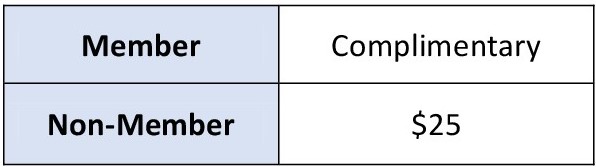
Fees: (All fees are plus HST)
Refund Policy
OSOT Event Disclaimer
NOTE: After clicking "Register Myself" your registration will not be complete until you click the "Proceed to Checkout" button.
The presentation will be recorded and will be available to watch on OSOT's Archived Webinars page shortly after the event.