Date and Time: June 10, 2026 | 12:00 pm - 1:00 pm Eastern Time
Webinar Description:
When most people think of “vision,” they equate it with seeing clearly. In reality, eyesight is only one part of a much broader and more complex system. Vision is how the brain organizes and interprets visual information to guide movement, attention, learning, and emotional regulation. For occupational therapists working in both pediatrics and rehabilitation, recognizing the distinction between eyesight and vision is critical to unlocking potential in clients whose difficulties may otherwise go unexplained. This webinar will highlight how subtle visual inefficiencies — such as poor binocular coordination, reduced accommodative flexibility, or delayed visual processing — can interfere with reading, handwriting, balance, sensory integration, and functional independence.
Drawing from clinical evidence and neuro-rehabilitation research, we will explore how vision integrates with other sensory and motor systems and why disruptions are common in conditions such as concussion, developmental delays, and acquired brain injury. You will gain practical insight into identifying “red flags” that suggest visual dysfunction, learn how standardized vision therapy protocols complement occupational therapy interventions, and understand the emerging evidence base that supports collaborative care. Case examples will illustrate how targeted visual rehabilitation can improve participation, reduce frustration, and accelerate progress in OT goals. By the end of this webinar, you will appreciate that vision is not just about seeing 20/20—it is about meaning, function, and integration. Recognizing and addressing this difference allows occupational therapists to more effectively support development, recovery, and quality of life for your clients.
By the end of this webinar you will:
- Differentiate between eyesight and vision and explain how higher-order visual processing impacts development, daily function, and rehabilitation outcomes.
- Identify clinical red flags of visual dysfunction that may present in pediatric, neuro, and rehabilitation settings, and understand when to refer for further assessment.
- Integrate vision therapy principles into occupational therapy practice by recognizing how collaborative, interdisciplinary approaches can enhance outcomes in reading, motor coordination, balance, and functional independence.
Presenters:
Dr. Patrick Quaid, MCOptom, FOVDR, PhD is the Founder and Director of VUE Cubed Vision Therapy Clinics, established from his personal experience with traumatic brain injury and passion for visual rehabilitation. He has served as an Adjunct Professor at the University of Waterloo School of Optometry and served as President of the College of Optometrists of Ontario (2020–2022). A prolific author, Dr. Quaid has published over 30 peer-reviewed papers and book chapters on oculomotor dysfunction, reading efficiency, concussion, and glaucoma. His research, including award-winning work with Dr. Eric Singman, MD, PhD, has been recognized internationally. He holds a PhD in Vision Science from the University of Waterloo, completed NHS hospital optometry training in the UK, and achieved Fellowship with the College of Optometrists in Vision Development (USA). Dr. Quaid’s book Learning to See is Seeing to Learn has sold over 20,000 copies. He also serves as an Officer in the Canadian Armed Forces Reserves (RCA).
Jessica Faith, B.Sc. OT, OT Reg. (Ont.) is co-director of Ellen Yack and Associates Paediatric Therapy Services (EYA). With over 23 years of experience, Jessica is a skilled paediatric occupational therapist with expertise in supporting children and youth facing a wide range of functional challenges. Her areas of practice include autism, sensory processing disorders, vision related challenges, developmental coordination disorders, and feeding challenges such as ARFID (Avoidant/Restrictive Food Intake Disorder). Jessica is also a trauma-sensitive practitioner who works with children and youth whose sensory, motor, feeding, social engagement and self-regulation difficulties are linked to their history of trauma. In addition to her exemplary clinical work and mentorship, Jessica has conducted continuing education hosted by EYA with OTs, SLPs, psychologists and other paediatric professionals. She has conducted workshops with students at OISE and professionals through Citywide Training (Humber Polytechnic). She is also an invited speaker at provincial and national conferences.
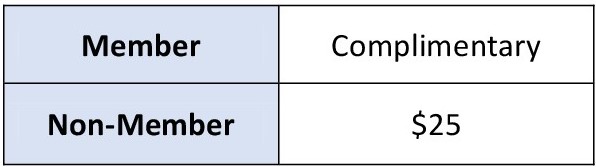
Fees: (All fees are plus HST)
Refund Policy
OSOT Event Disclaimer
NOTE: After clicking "Register Myself" your registration will not be complete until you click the "Proceed to Checkout" button.
The presentation will be recorded and will be available to watch on OSOT's Archived Webinars page shortly after the event.